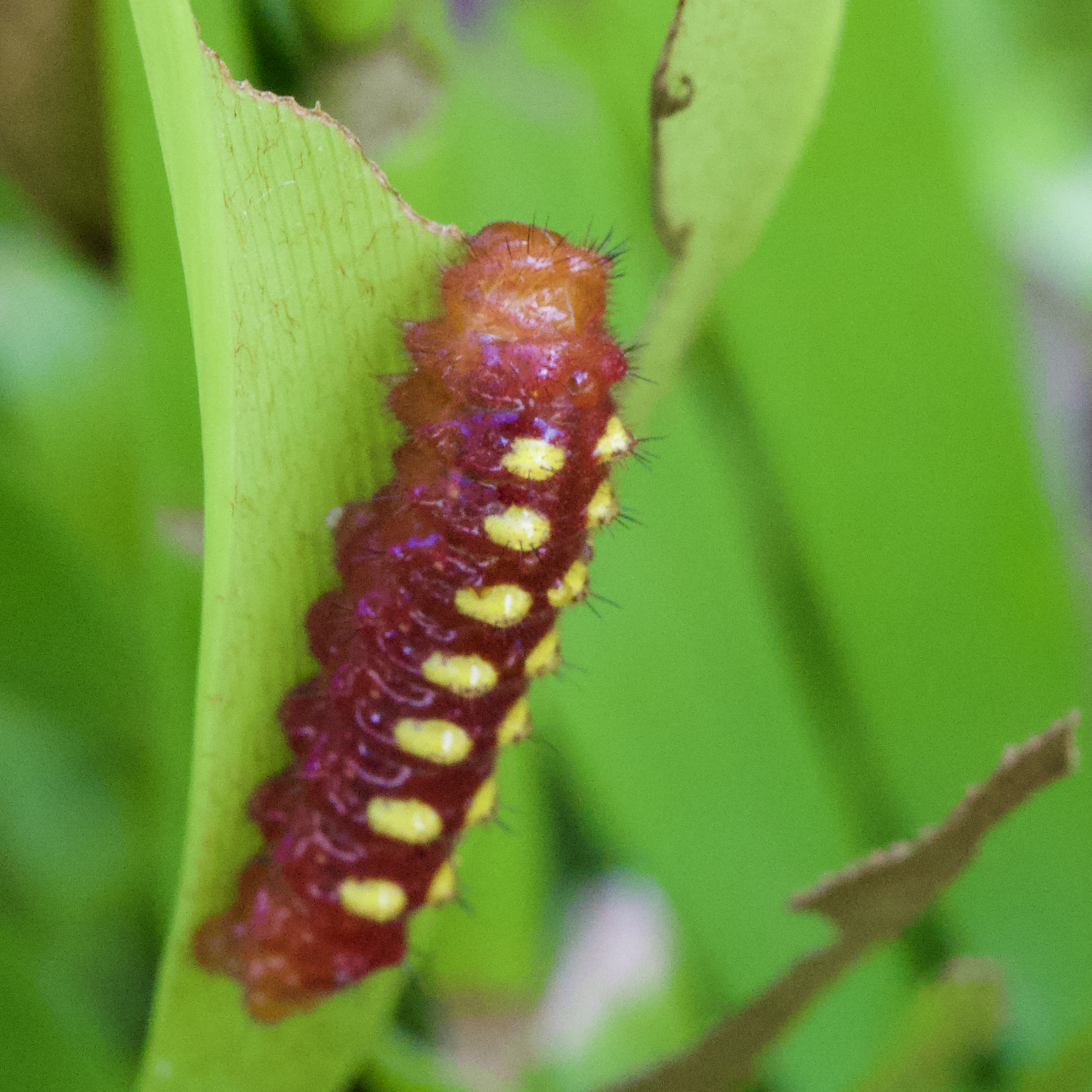
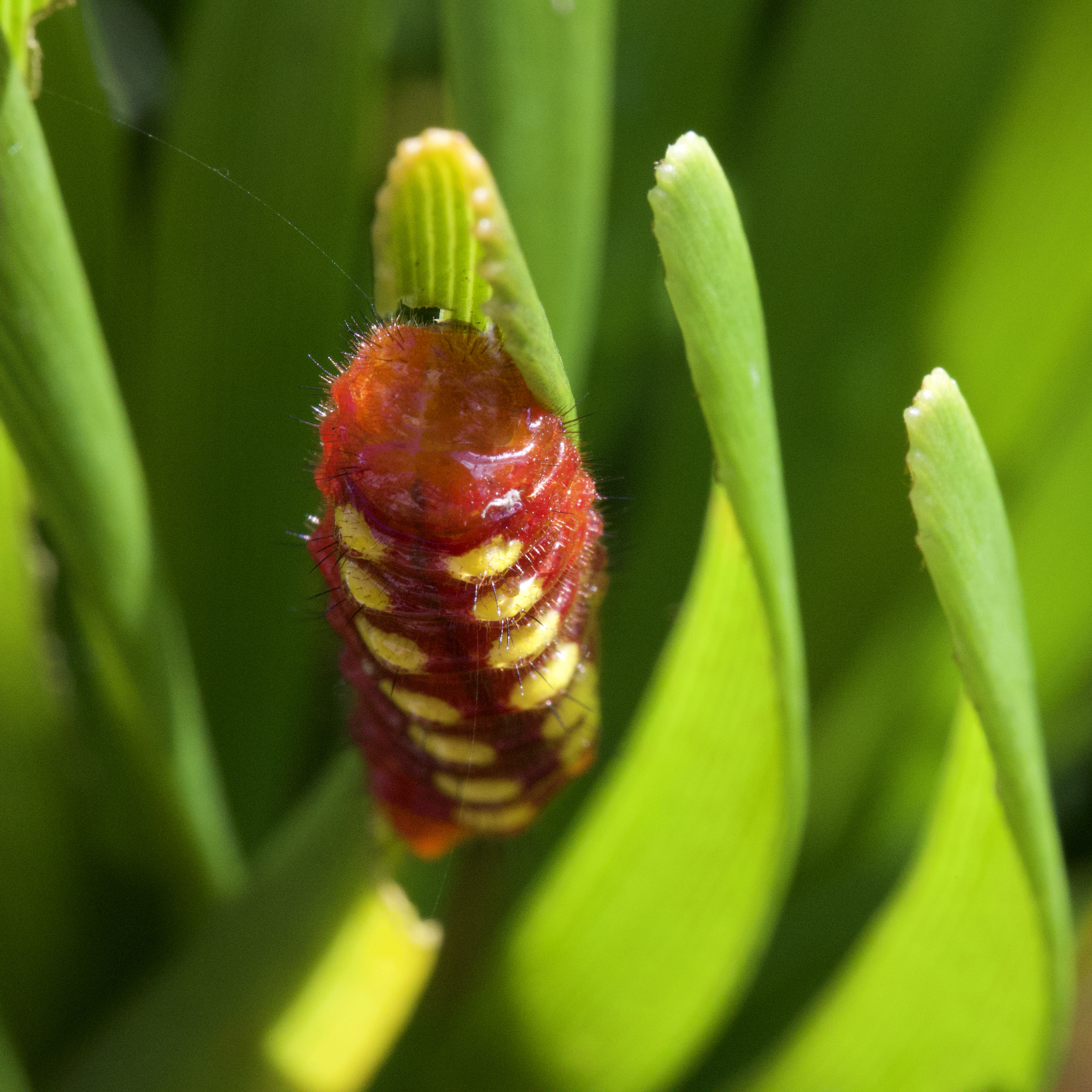
These charming little Atala caterpillars are part of a wonderful success story! The Atala butterfly was abundant in Florida in the late 1800’s, when its native host, the Coontie, was a prolific starchy food plant widely used by the Seminoles. With the arrival of settlers in the region, the Coontie eventually became severely over-harvested in the late 19th century.
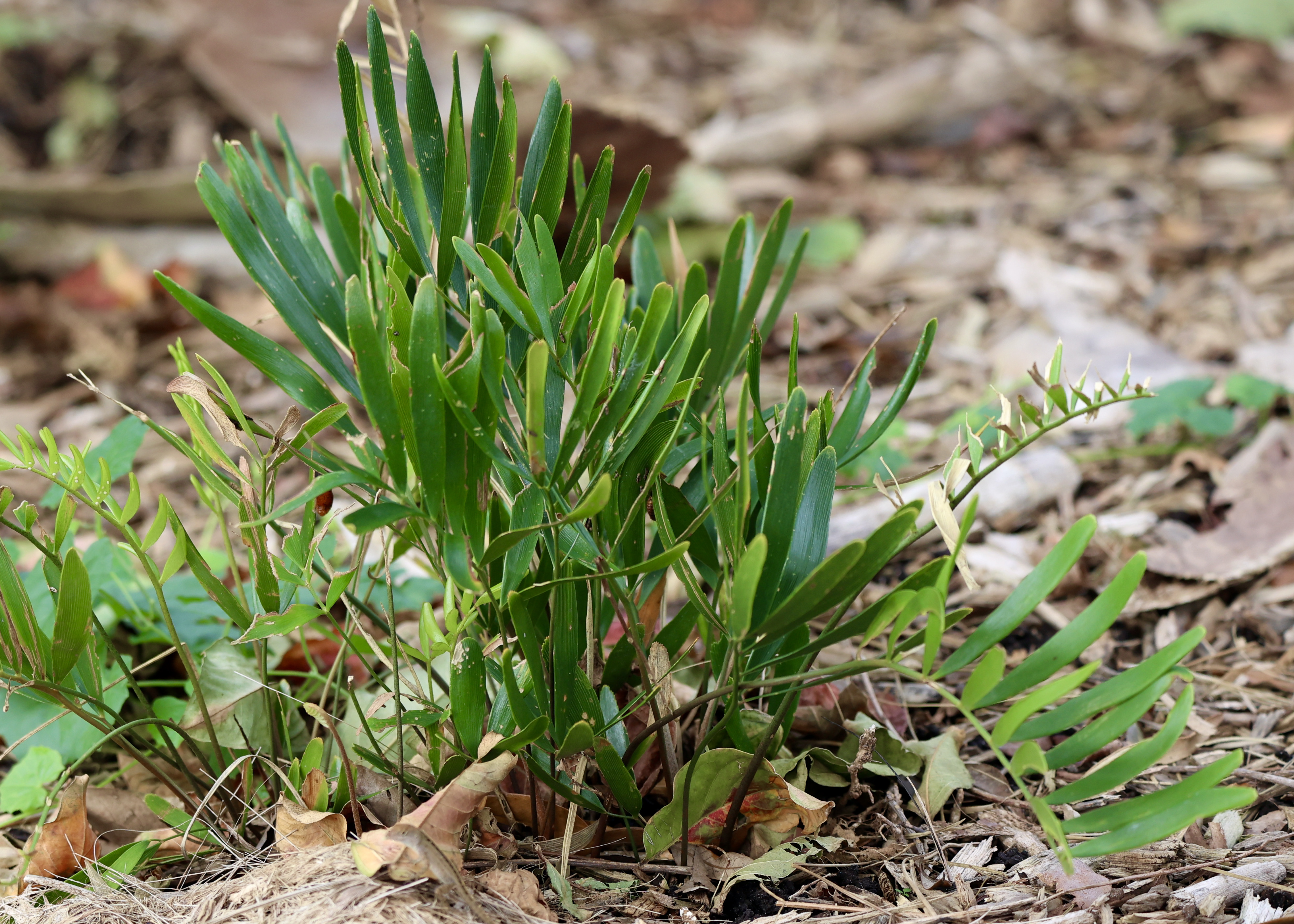
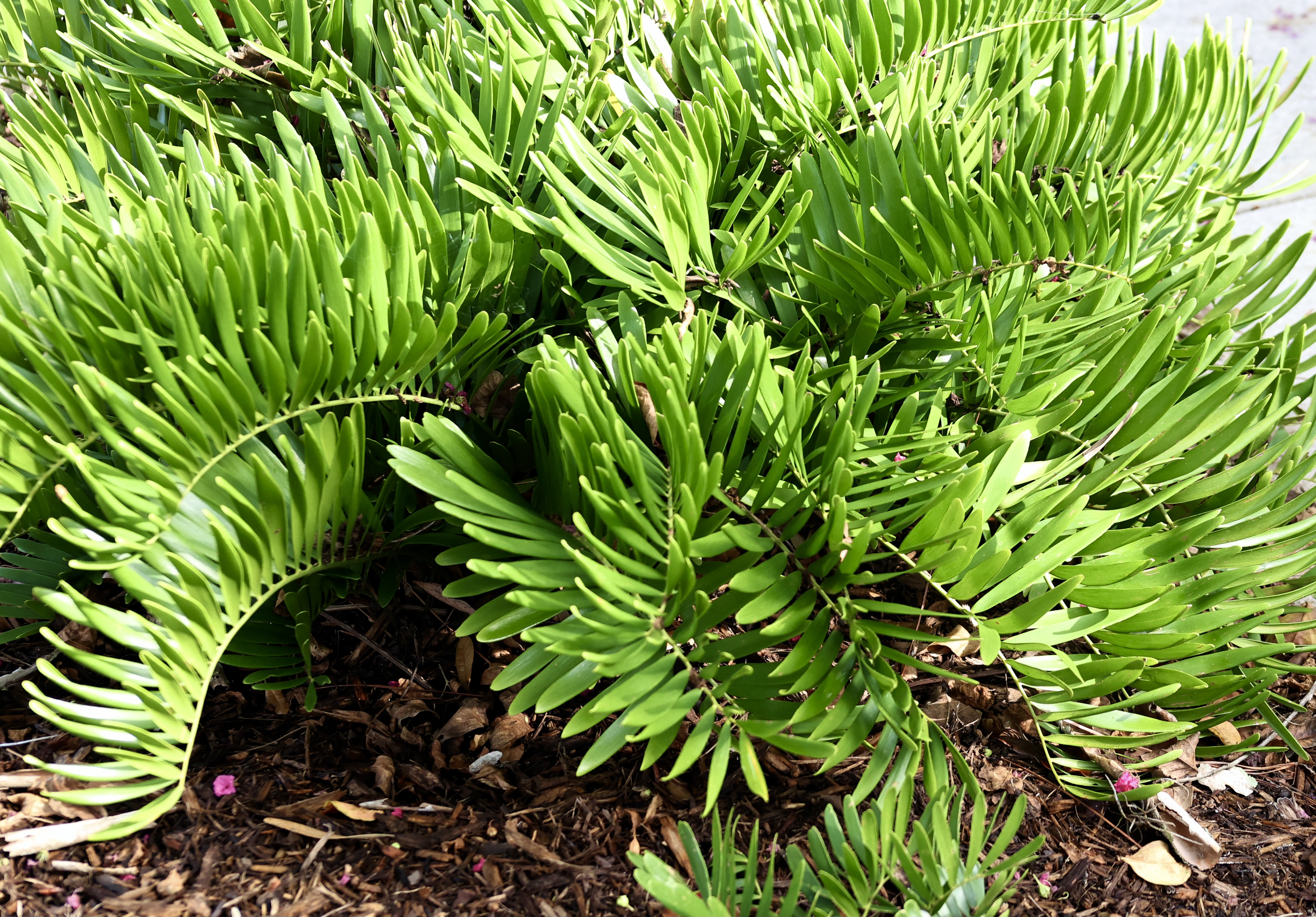
Coupled with growing urbanization and habitat loss, the result was that both Coontie plants and Atala butterflies disappeared (Butterflies of Florida Field Guide, 2003). By the mid-1900’s, the Atala was believed to be virtually extinct. [But] “in 1979, [a colony of Atala] butterflies was discovered on a barrier island off the coast of Miami.” (Florida Wildflower Foundation)!

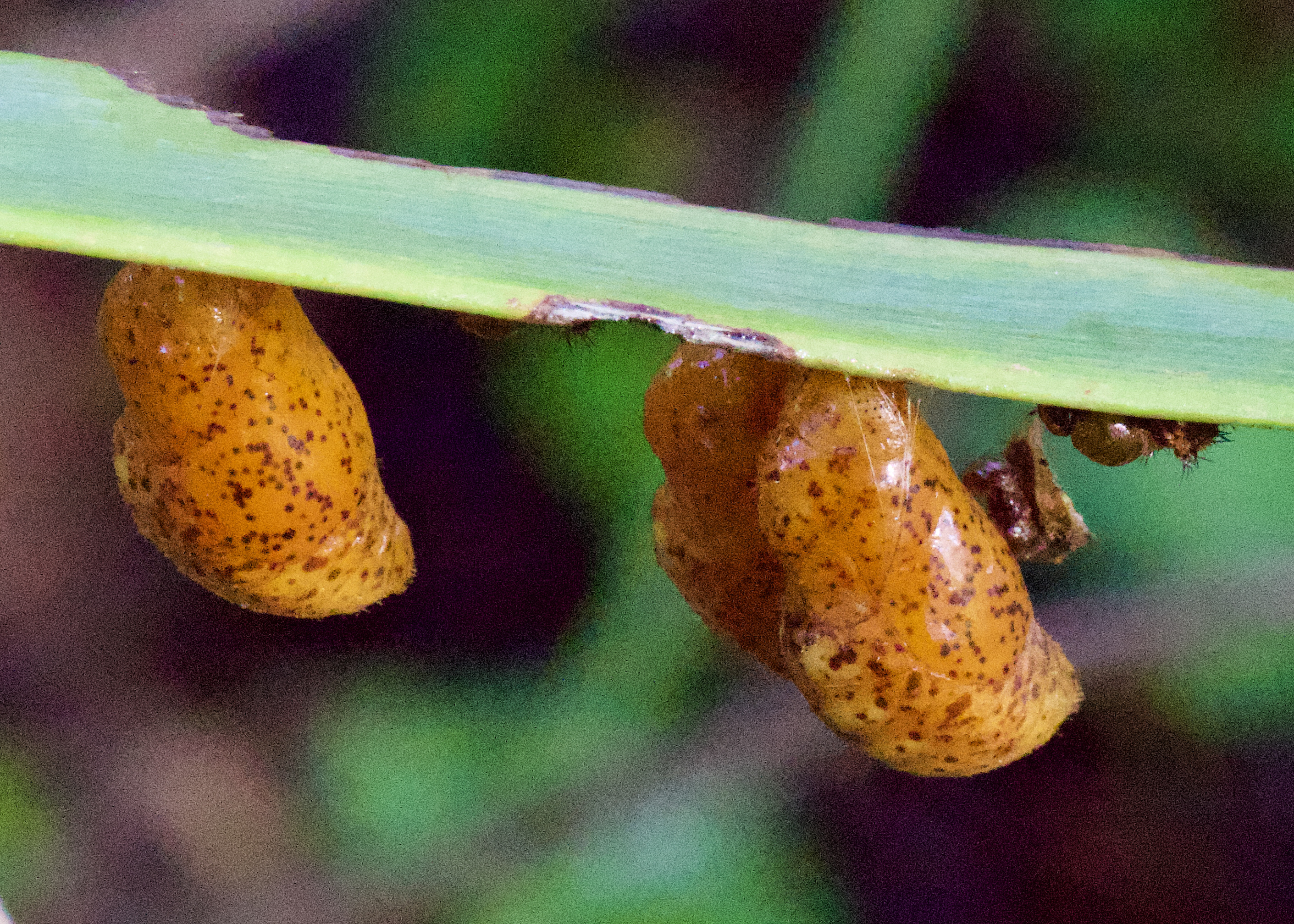
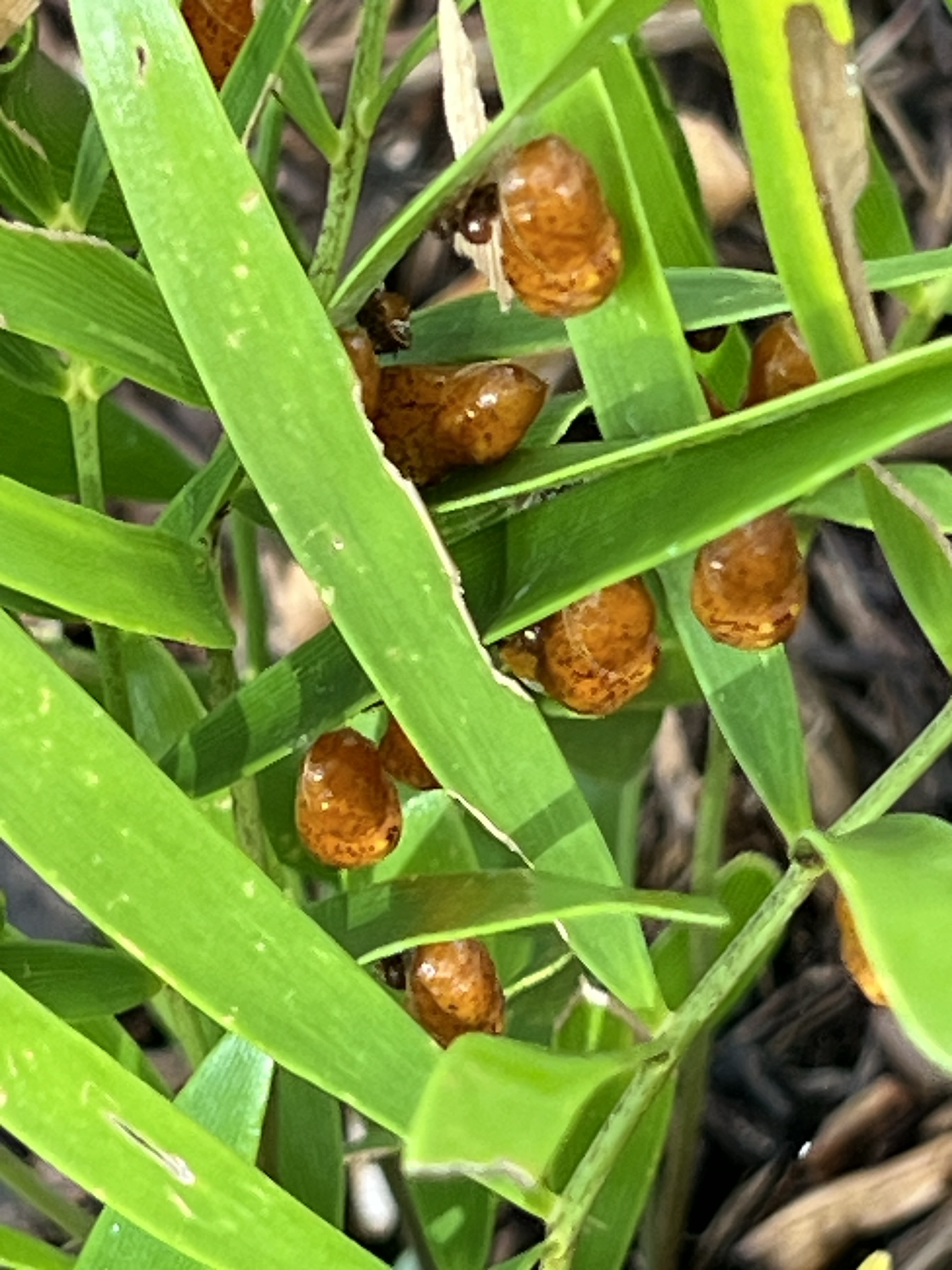
Persistent efforts by scientists and local citizens dedicated to reviving the Atala population worked over the past several decades to re-establish the Atala through purposeful plantings of its host plant and food source, the Coontie. This excellent 2016 article in Entomology Today provides a great overview of the Atala success story: A Nearly Extinct Butterfly Makes a Comeback in South Florida

Today we see the beautiful Atala butterfly in natural areas and gardens throughout the southern coastal counties of Florida. This delightful 3 minute video from the Butterfly Garden will give you a closer look at the loveliness of the Atala and its life cycle : Atala Butterly, a Complete Lifecycle
 Birder's Journey
What a wonderful success story with which to start Thanksgiving Week! Thank you for sharing!
LikeLiked by 1 person
Thank you, Amy. Wishing you a happy Thanksgiving holiday!
LikeLike
🌿 A tale unfolds of colors bright, 🦋 The Atala’s story, a wondrous sight. 📖 In the 1800s, Florida’s pride, 🌴 Fluttered freely, far and wide.
Coontie, their host, a Seminole’s feast, 🍽️ Settlers came, harvesting increased. 🚜 The once-plentiful plant, now strained, 🍃 Atala and Coontie, a dance unchained. 💃
Urban sprawl, habitats lost, 🌆 Both vanished, a hefty cost. ❌ Mid-1900s, near extinction’s door, 🚪 Yet hope emerged on a distant shore.
1979, a discovery grand, 🎉 A colony found in Miami’s sand. 🏝️ Scientists, citizens, hearts aligned, ❤️ To revive the Atala, a mission defined.
Coontie plantings, purposeful and true, 🌱 The butterfly’s lifeline anew. 🔄 Decades passed, a success song, 🎶 Atala’s resurgence, a melody strong.
Now in gardens and nature’s spree, 🌺 Southern Florida’s vibrant glee. 🎨 Watch the Butterfly Garden’s delight, 📹 Atala’s lifecycle, pure and bright. 🌈
A story told of wings reborn, 🦋 Of dedication, where hope is sworn. 🤝 Atala, dance in the Florida air, 💫 A tale of revival, beyond compare. 🌿
🌴🍽️🚜🍃💃🌆❌🚪🎉🏝️❤️🌱🔄🎶🌺🎨📹🌈🦋🤝💫🌿
LikeLiked by 1 person
What an uplifting saga, and a fun poem, in honor of the Atala, Yishai! ☀️
LikeLike
What a great saga🦋
LikeLiked by 1 person
Superhero little butterfly. ☺️
LikeLike
What terrific news all around! It’s a beauty 😊
LikeLiked by 1 person
Thanks, Belinda! The only drawback is that parts of the plant are poisonous. A botanist I know recently said that some areas are now trying to limit the number of Coontie being planted because of this.
LikeLiked by 1 person
We are losing too many species worldwide daily due to habitat loss BJ, it is always encouraging to read stories like yours. Thanks for sharing. We have had similar experiences here where a species was driven to apparent extinction but later one pair found in the desert. Enjoy your thanksgiving my friend. Only wish we had it in our culture
LikeLiked by 1 person
Thanks so much, AB. Yes, thank goodness for small miracles. Regarding our holiday, I’m sure that you also celebrate traditions of family getting together and talking about how thankful they are for each other and for our incredible world!
LikeLiked by 1 person
How wonderful, and it’s a gorgeous butterfly.
LikeLiked by 1 person
It sure is, Deborah, one of my favorite butterflies, and so unique.
LikeLiked by 1 person
To prepare for future visits to Florida I researched where to find the plants. Here the advice I encountered. For specific locations where wild Coontie plants can be seen, it would be best to contact local Florida natural history museums, botanical gardens, or university botany departments for current information on sites where these plants have been observed. It’s important to remember that since Coontie is considered a commercially exploited species in Florida, collecting the plant from the wild is illegal. I put it on my list of question to ask when visiting the Brevard County natural history museum.
LikeLiked by 1 person
I hope you’re able to see them at a time when the chrysalis, the caterpillars, and the butterflies are all active at once. It’s quite amazing to see.
LikeLiked by 1 person
Thank you for sharing this hope-inspiring story. What a lovely butterfly.
LikeLiked by 1 person
Thank you so much, Tanja!
LikeLiked by 1 person
My pleasure.
LikeLiked by 1 person