This past week, our Shabbat Torah reading, which was the second portion of the Book of Devarim (Deuteronomy), opened with one of the most poignant and moving statements ever made by the great leader Moshe Rabbenu (Moses). G-d has previously told Moshe that, despite Moshe’s great love for Eretz Israel, he will never enter the Land with the people that he has been leading for so many years through the desert.
 In our reading, Moshe described to the people how he pleaded over and over with G-d to allow him to come into the Land:
“And I pleaded with HaShem at that time, saying, My Lord, HaShem, You have begun to show Your servant Your greatness, and Your mighty hand; for what power is there in heaven or on earth, that can do Your works or has Your might? I beg You, let me go over, and see the good land that is beyond the Yarden, that good mountain, and the Levanon.” (Va’etchanan 3:23 – 25)
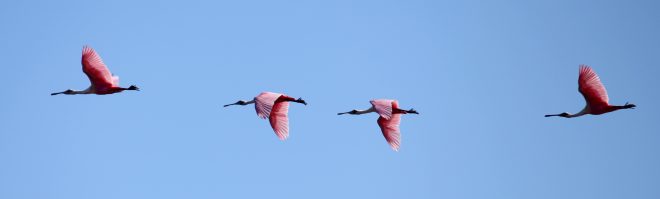
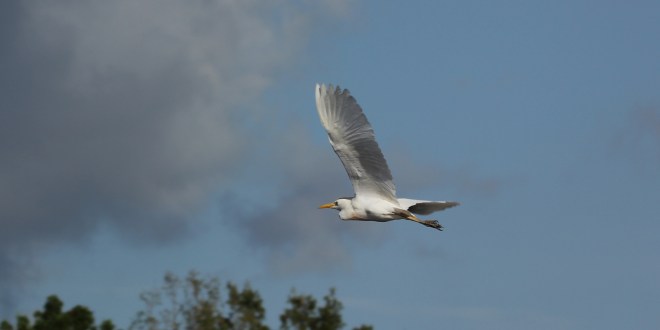
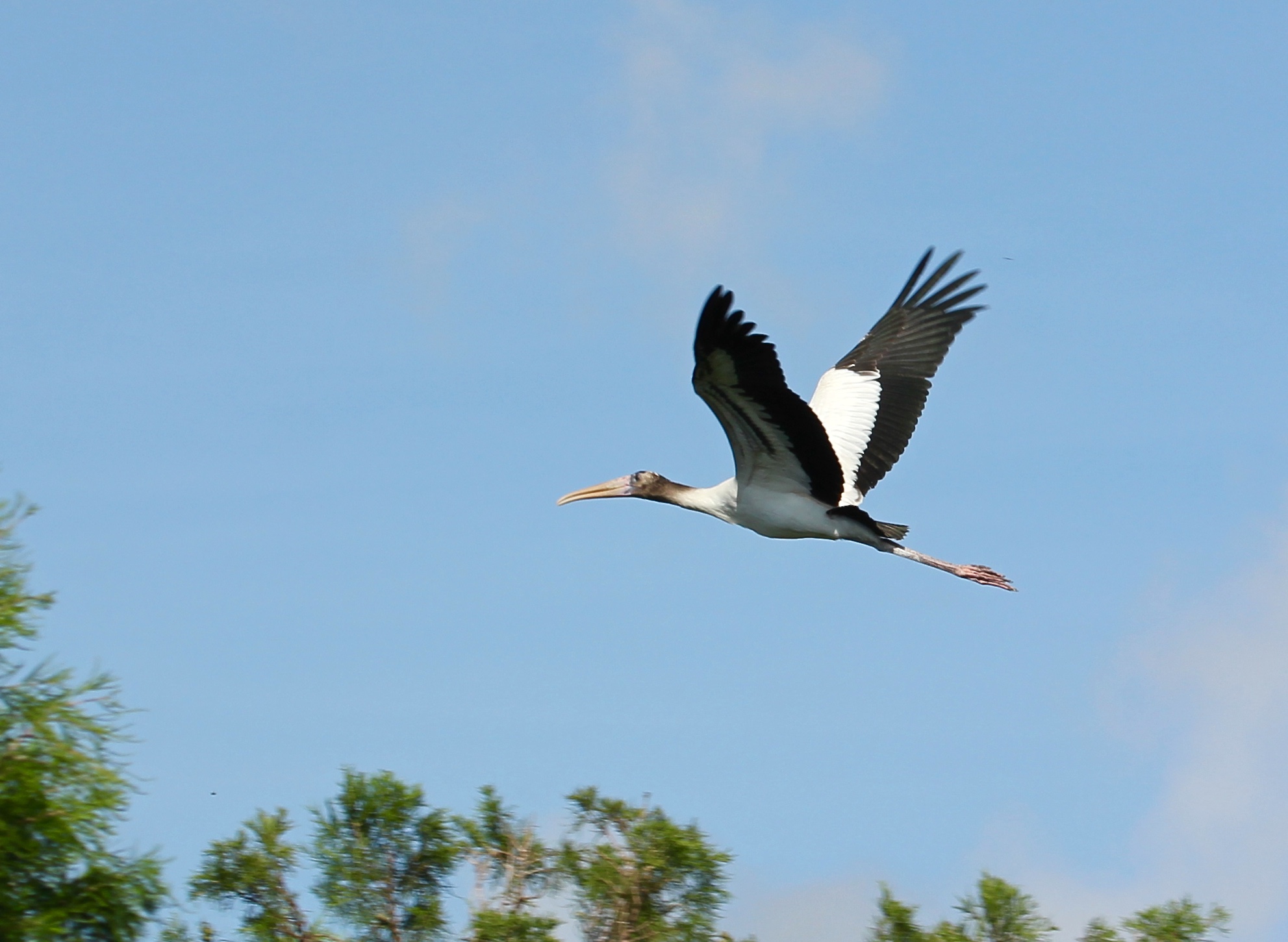
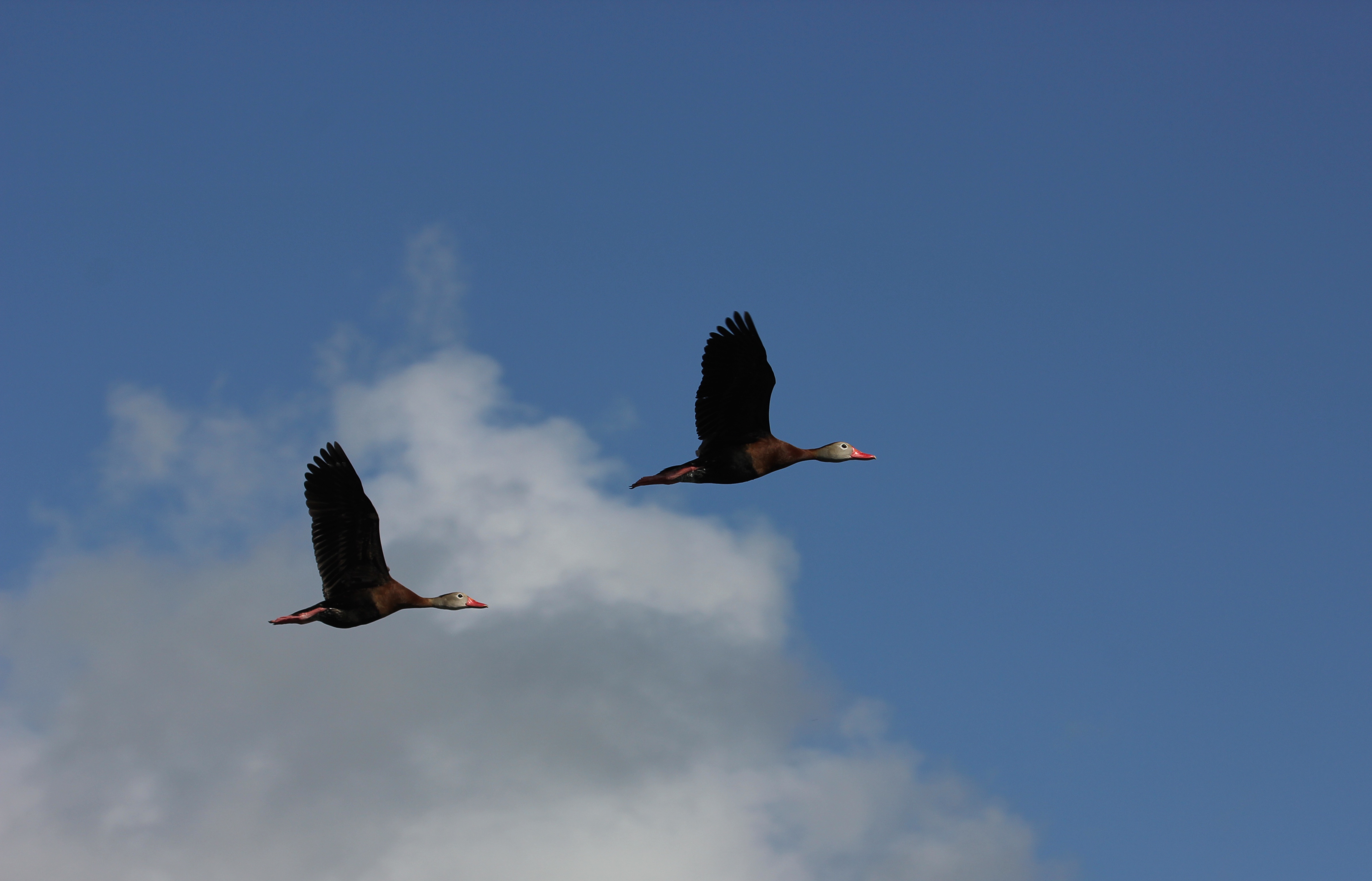 It is said that the air of Israel makes one wise because of the holiness that permeates it. If he could not enter to live in the land, Moshe wished to at least soar in the air above the land, to taste its holiness.
 According to the Yalkut Shimoni, a comprehensive 13th century Midrashic anthology (attributed to Rabbi Shimon HaDarshan of Frankfurt), Moshe begs of G-d:
“If You will not allow me to enter the Land, allow me to [enter] as a bird that flies in the air to all four corners of the earth to collect its feed, and in the evening returns to its nest—let my soul be as one of those!”
This is just one of many Midrashic tales that make beautiful connections between the Biblical narrative and birds. A genre of rabbinic literature, the Midrash are collections of homilies, parables, stories and interpretations, explaining verses in the Tanach (Bible). Much of the early Midrashic literature is believed to have been compiled nearly 2000 years ago.
Although I referred to this amazing moment in a blog post last year, I wanted to elaborate a bit here, because it is one of my favorite interpretations of this touching scene in the closing chapters of the Torah.
 Birder's Journey
Beautiful imagery both literal and photographic BJ! How wonderful it would be to ‘soar on wings like eagles’ – Isaiah 40:31
LikeLiked by 1 person
Thank you so much for your visit and your very kind comments, AB!
LikeLike
Wonderful post.
LikeLiked by 1 person
I really appreciate your visit and comment, Victor.
LikeLiked by 1 person
Wow, and what beautiful images to accompany the verses. Well done.
LikeLiked by 1 person
Your input means a lot to me, Laura – thanks! Enjoy the day!
LikeLiked by 1 person
Wow, quite a compliment there; thank you!
LikeLike
“let my soul be one of those” I concur. Lovely images too.
LikeLiked by 1 person
Thank you, Donna. I think this is such a beautiful line. Suddenly it has even greater significance, since I heard some very recent news about a friend’s passing.
LikeLike
You mentioned Shimon HaDarshan. By coincidence, darshan is one of the English transcriptions from Sanskrit of a Hindu religious term:
https://en.wikipedia.org/wiki/Dar%C5%9Bana
LikeLiked by 1 person
How interesting. I find the links between languages fascinating. The word Darshan ( דרשן in Hebrew) comes from the Hebrew root דרש, (drash). A Darshan is a person who interprets and teaches, a ‘sermonist’, so to speak. It’s related to many words, including לדרש (lidrosh) meaning to inquire or to seek, and the word מדרש, (midrash), which I talked about in this post.
LikeLike
And you’re probably aware that the Arabic cognate of מדרש (midrash) is madrassa:
https://en.wikipedia.org/wiki/Madrasa
LikeLiked by 1 person
I didn’t know that, but it makes sense as they are both Semitic languages. I actually studied languages in college, though my career took me in other directions. I still find the origins of, and connections between words fascinating.
LikeLike
I just discovered that you have another blog about language and connections between Spanish and English words! Although I studied French, Russian, German, and Hebrew, I never learned Spanish.
LikeLike
Yes, I was also a foreign-language major in college and I started the language blog the year before I began the one devoted to nature photography. French, being a Romance language, will give you a good head start on Spanish if you ever decide to study that language, although their phonologies are rather different.
LikeLiked by 1 person
In your article 8/6/2015 you mentioned a yalkut shimoni medrash that Moshe Rabbeinu would want to enter the land even as a bird. Which Medrash source is that ?
LikeLiked by 1 person
Thank you for your interest in my 2015 blog post! I used a source which cited Yalkut Shimoni was here on Chabad.org: https://www.chabad.org/parshah/in-depth/default_cdo/aid/53120/jewish/Vaetchanan-In-Depth.htm
However, though they cite the YS, I believe this Midrash Rabbah source (which my son received from a fellow on Sofrim) is more accurate:
אמרו חכמים במדרש רבה (דברים, יא, ו):
“אמר משה לפני הקדוש ברוך הוא, רבונו של עולם אם אין אתה מכניס אותי לארץ ישראל הניח אותי כחיות השדה שהן אוכלין עשבים ושותין מים וחיין ורואין את העולם. כך תהא נפשי כאחת מהן. אמר לו, רַב לָךְ. אמר לפניו, רבונו של עולם ואם לאו, הניח אותי בעולם הזה כעוף זה שהוא פורח בכל ארבעת רוחות העולם ומלקט מזונו בכל יום ולעת ערב חוזר לקינו כך תהא נפשי כאחת מהן. אמר לו, רַב לָךְ”.
LikeLike
THANK YOU EXCELLENT
LikeLiked by 1 person